Field Notes: Salt Point State Park's Many Features
By Kathleen Scavone

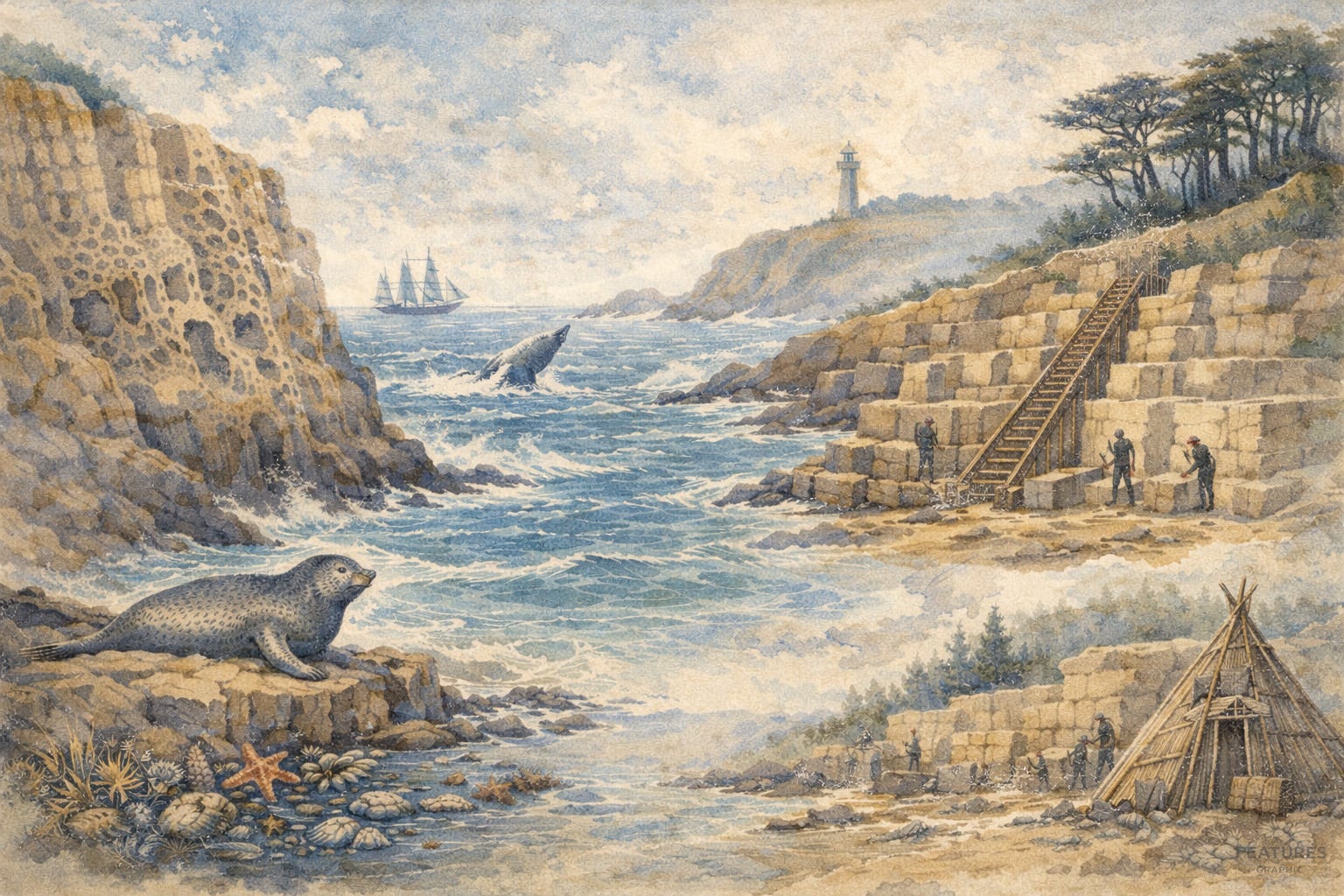
SONOMA COUNTY, Calif. — The drama of a drive on California’s Pacific Coast Highway 1 can’t be beat. Crashing waves and sea spray create a bevy of sensory delights, while cormorants and pelicans patrol the waters. Roughly 12 miles north of Jenner is Salt Point State Park, which occupies 6 miles of rugged Sonoma Coast and covers 6,000, acres. This is where the Indigenous Kashaya Pomo people once gathered salt from the rock depressions to consume and trade.
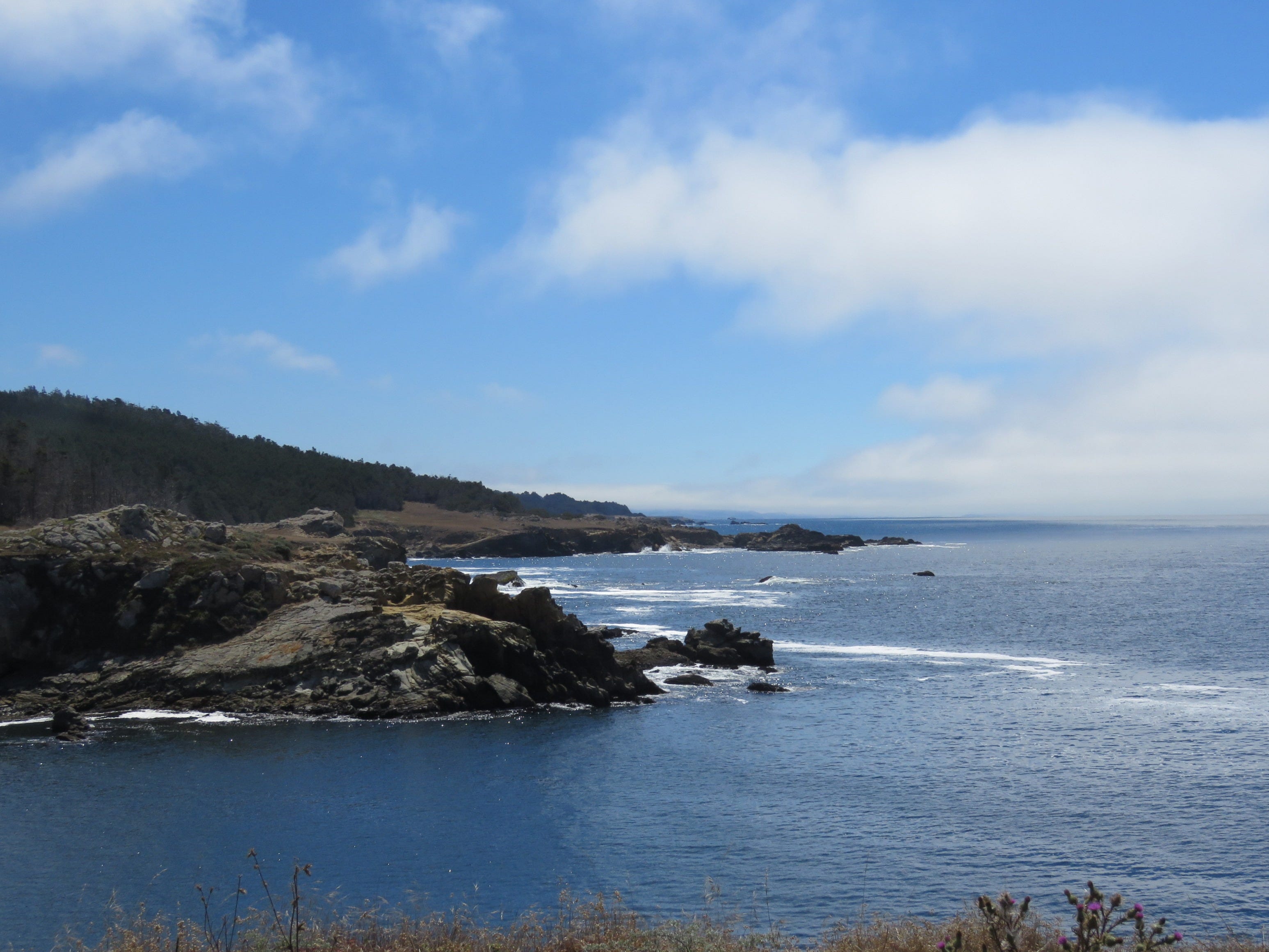
Along with the stunning ocean views, visitors have the opportunity to appreciate the history of the land here and its natural history, which includes a diversity of flora and fauna. Hiking trails, along with 109 family campsites, invite you to stay around for a while. As if all of those park features weren’t enough, there are surprisingly beautiful sandstone and tafoni rock formations to appreciate, as well.
Intricate tafoni rock, with its honeycomblike erosion, is created in the cliffs and crevices by the constant wet and dry conditions occurring in the beige- to orange-colored sandstone. Tafoni, or “cavern” in Italian, shows up as thousands of ridges, holes and knobs in the earth here. There appears to be no end to the designs created from the interaction of sand and salt spray as it erodes rock over time.


Breck Parkman, who spent 40 years as a California State Parks archaeologist, explained in his YouTube video about Salt Point titled “Sandstone” that the area of the coastal terrace to the ridgetop at Salt Point holds other interesting features. Through his informative video he explains the interesting blocks of rock that are found scattered here. Parkman gives details about logging that occurred in the forests here in the 1850s, saying that the ridge where we now hike once held chutes for milled lumber to be loaded onto schooners waiting in the waters below in order to transport the precious commodity to San Francisco.
Not long after the lumber operations, there was once a rock quarry located here. Evidence of the quarried sandstone can be found along the north side of Gerstle Cove. it is possible to see where the quarrying activity took place since workers utilized rock hammers and other tools in the creation of large blocks of sandstone. Workers hammered the rock face to allow the stone to be disassembled, then loaded into schooners.


Along with the geology and history set in the brisk salt air are various avian species, such as enormous brown pelicans, seagulls and cormorants. Pinnipeds such as Pacific harbor seals lounge on the rocks below the cliffs, while western fence lizards soak up sun on the rocky terrace.
Six pinniped species live along California’s coast, but the Pacific harbor seal is most prevalent here. These seals can be seen along the coast from Baja California to the Gulf of Alaska. Adult females grow to a little over 5 feet long and 275 pounds, while their male counterparts grow to 6 feet long and weigh in at up to 240 pounds.
Harbor seals can be colored dark with Dalmatianlike spots or white with black spots. These chunky sea creatures consume an assortment of fish such as flounder, herring, hake and lampreys as well as cephalopods such as octopus and squid. Between December and April be sure to watch for gray whales as they migrate to their breeding/calving districts south to Baja California. In the summer months they return north to the feeding areas in the Bering Sea.
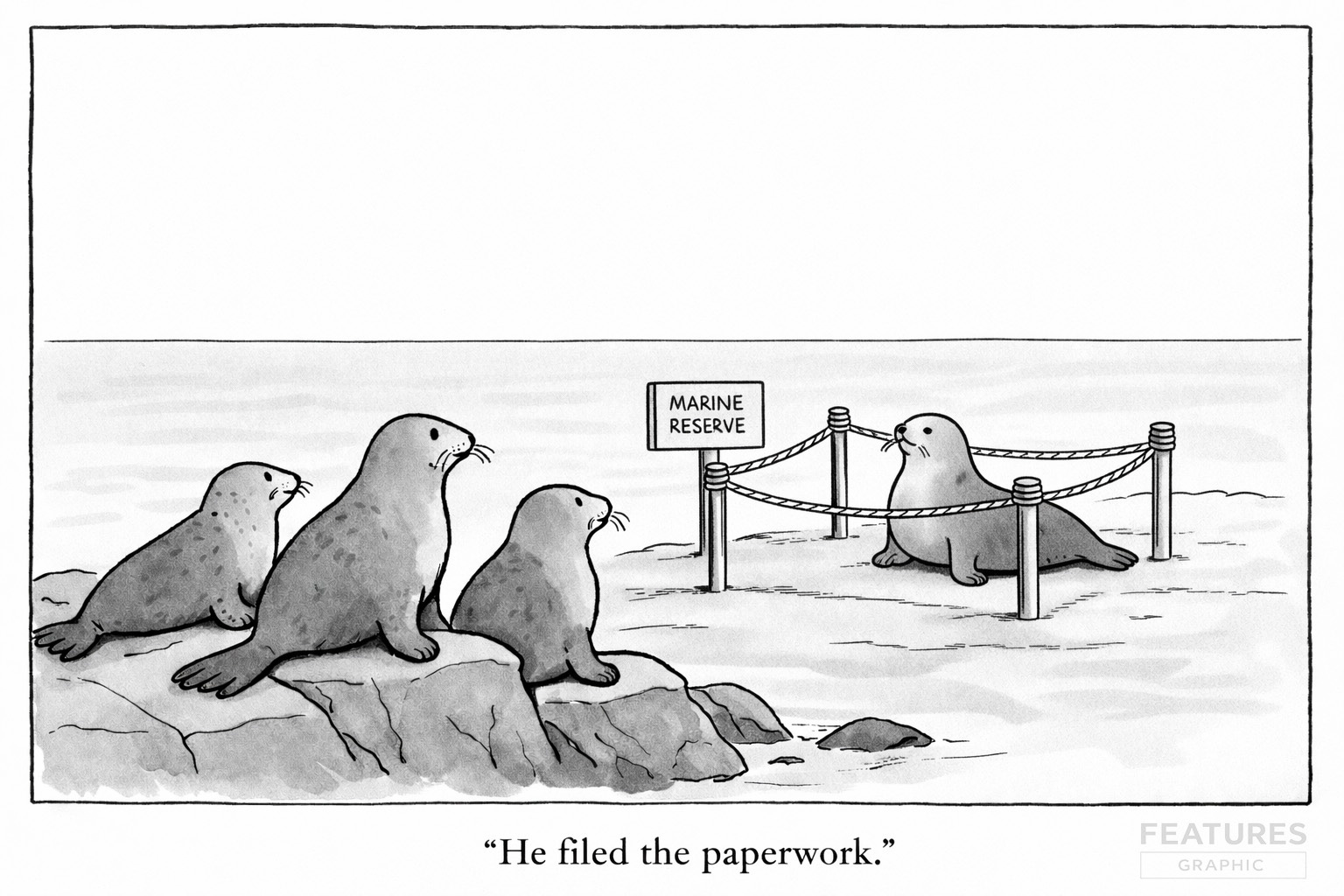
The rocky cove here, called Gerstle Cove, is a protected Marine Reserve. Since winds aid in scattering surface waters, the action invites an upwelling of nutrient-rich water from the bottom of the ocean. That, along with freshwater runoff into the Pacific Coast harbor, allows for nutrients to proliferate and a diverse community of marine flora and fauna to thrive.


Sea cucumbers, sea anemones, mussels, hermit crabs, periwinkle snails, rough limpets and kelp crabs, along with a variety of sea stars such as the ochre star and bat star, can be spied in the rocky tidepools. Since this is a protected area, the living organisms need to be observed only, without taking or disturbing the critters.
Bull kelp, lush and green, thrives along this stretch of the Pacific Coast in many months. April brings underwater activity to the kelp as it begins its spring growth by attaching to rocks with a holdfast, or what looks to landlubbers like roots of plants. Structures resembling spaghetti hold the kelp “fast” or anchor it to the substrate to grow and create habitat for numerous creatures.
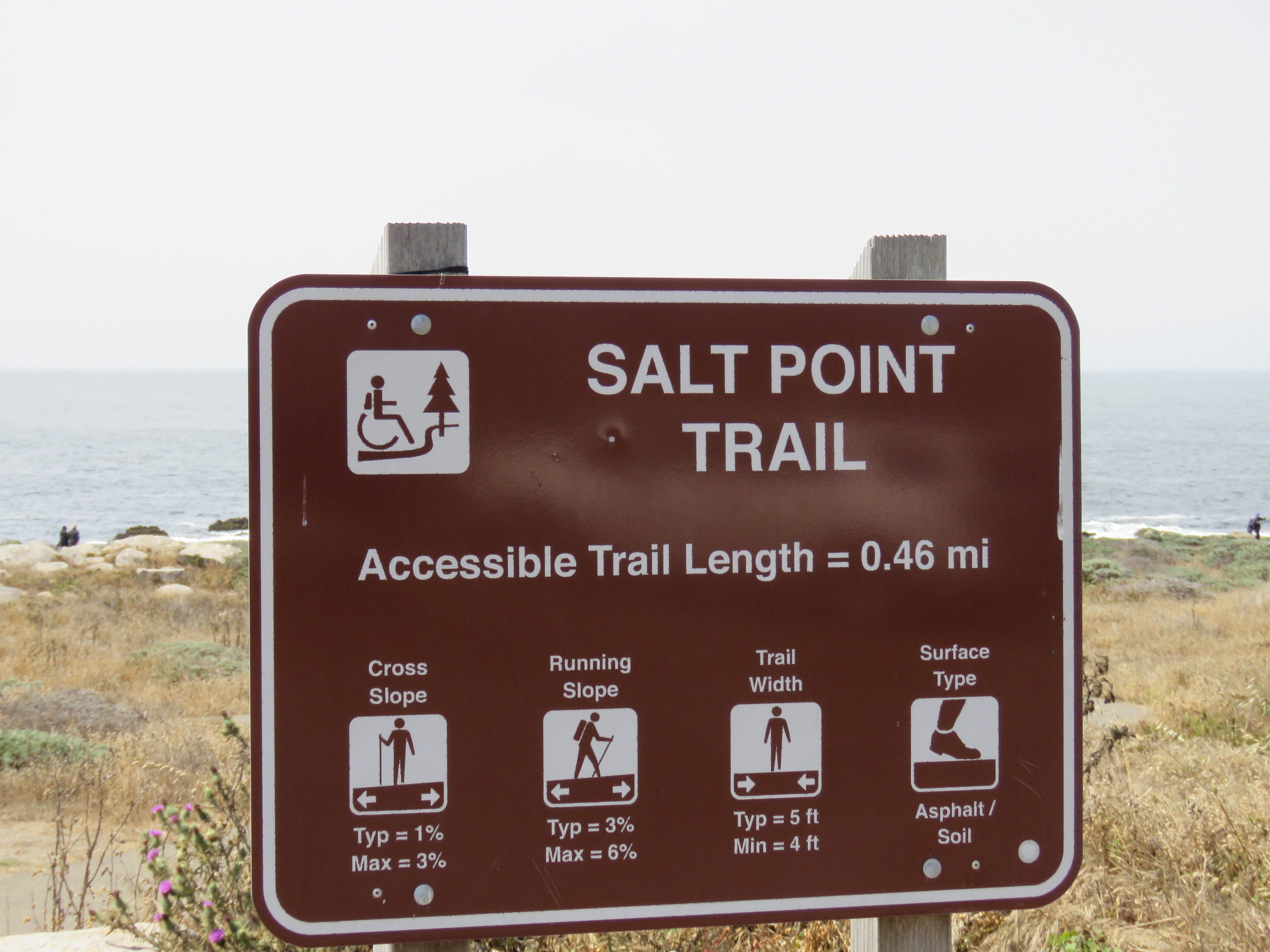
Northeast of Highway 1, the forest of Salt Point State Park grows with madrone, tan oak, second-growth redwood, Douglas fir, bishop pine and more. At around 1,000 feet elevation within this forested area is an open “prairie” with pygmy cypress, stunted redwoods and pines that thrive due to the acidic soil and hardpan layer below the soil. Similar pygmy forests are also located up and down the Pacific Coast, from Mendocino County south to Monterey County. The usual suspects thrive here: raccoons, coyotes, bobcats, badgers, striped skunks and black-tailed deer.
Picnic benches on the terraces above the ocean invite you to warm up with a bite and a beverage as well as to enjoy the view. Here along the Sonoma coast threads of the past interweave with the present as the landscape speaks through spectacular rock formations. The vitality of the life in and around the ocean can recalibrate your mind as you encounter the great Pacific and its mysteries.
There is an entrance fee to the state park. Click on the below map to download.
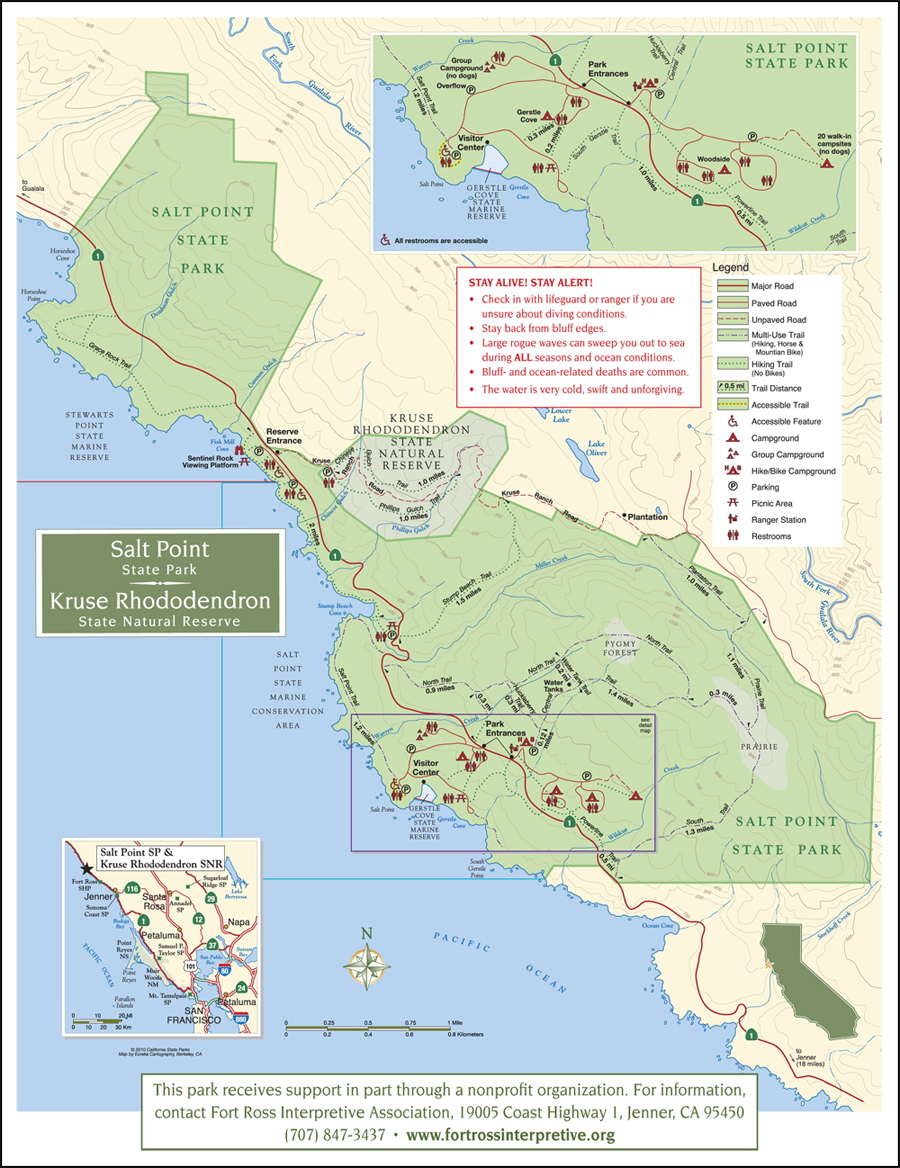
—
Kathleen Scavone, M.A., retired educator, is a potter, freelance writer and author of “Anderson Marsh State Historic Park: A Walking History, Prehistory, Flora and Fauna Tour of a California State Park,” “People of the Water” and “Native Americans of Lake County.” She loves hiking, travel, photography and creating her single panel cartoon, “Rupert.”
Explore These Related Articles:


Browse All Sonoma County Features Stories
or explore…
All Napa Valley Features Stories
or explore…
All Lake County Features Stories